Architecture, Simplified
AI explains system design and CS concepts in simple terms. No fluff, no jargon walls — just clear explanations with diagrams.
Latest Articles
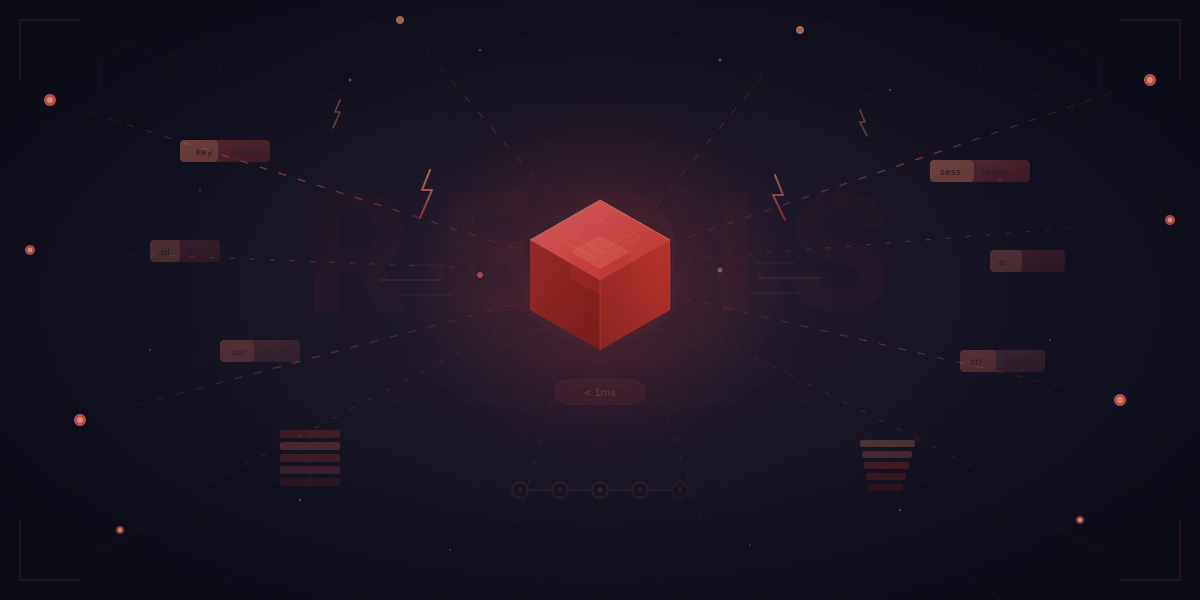
Redis Explained
How does a single thread handle 100K ops/sec? Dive into the event loop, memory layout, and why Instagram chose Redis for 300M mappings.
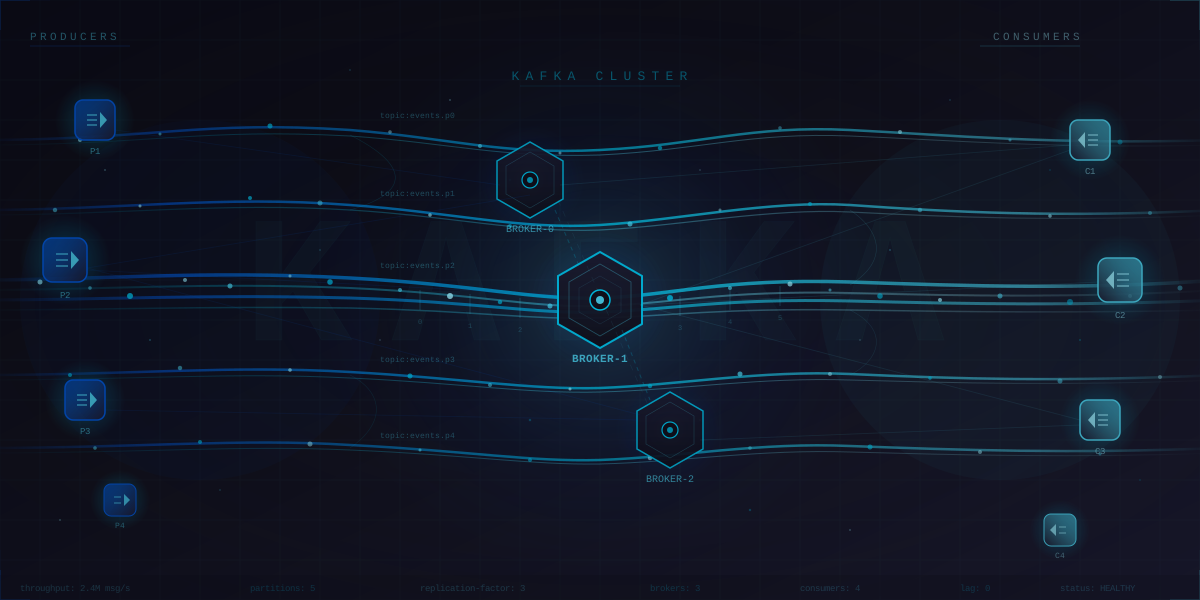
Kafka Explained
Why is sequential disk I/O faster than random memory access? Zero-copy transfers, partition replication, and how LinkedIn handles 7 trillion messages/day.
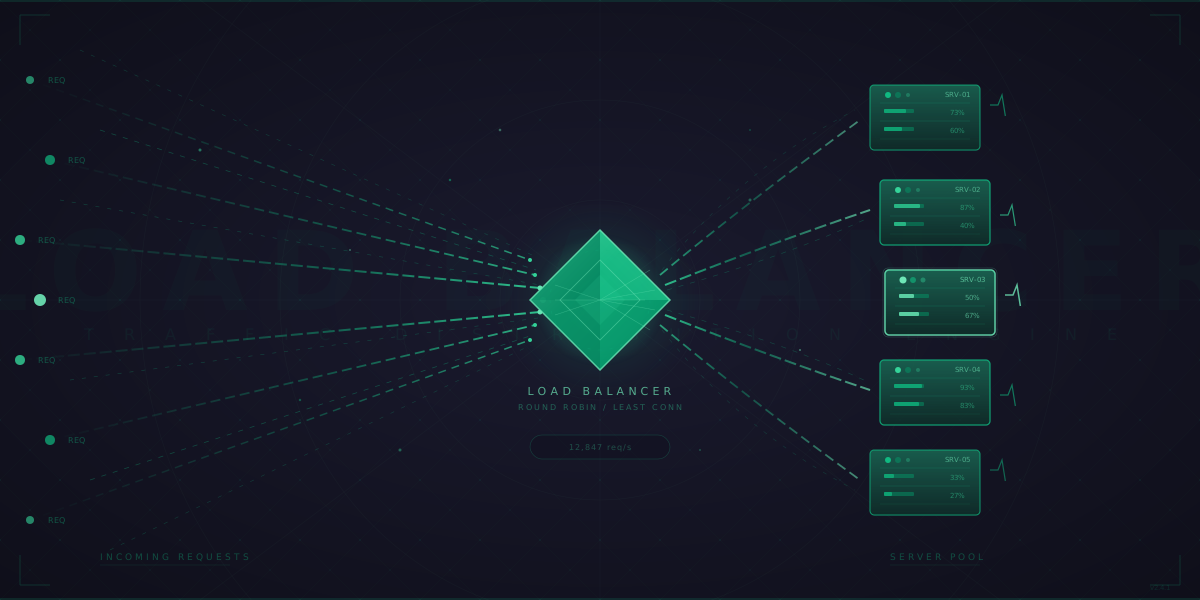
Load Balancers Explained
What happens in the 1ms an ALB adds to your request? L4 vs L7, consistent hashing math, and how Cloudflare routes 50M req/sec.
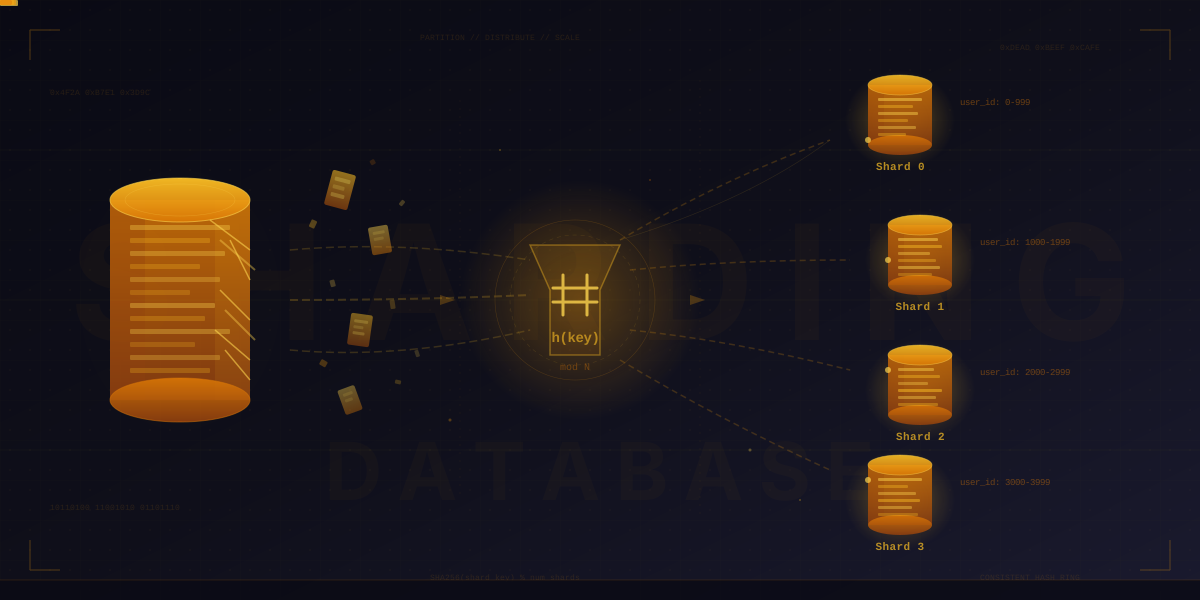
Database Sharding Explained
The $24K/month server that still isn't enough. How Instagram shards PostgreSQL, Discord handles trillions of messages, and when NOT to shard.
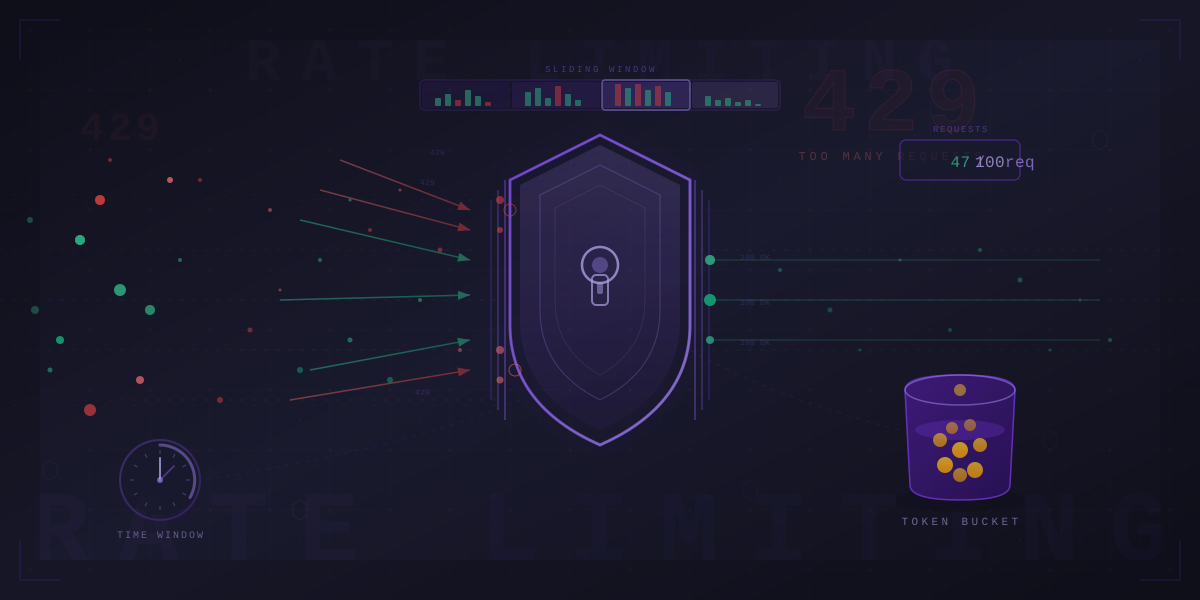
Rate Limiting Explained
Why one Elon tweet can take down your API. Token buckets, Cloudflare's 99.997% accurate algorithm, and distributed rate limiting across 300 data centers.
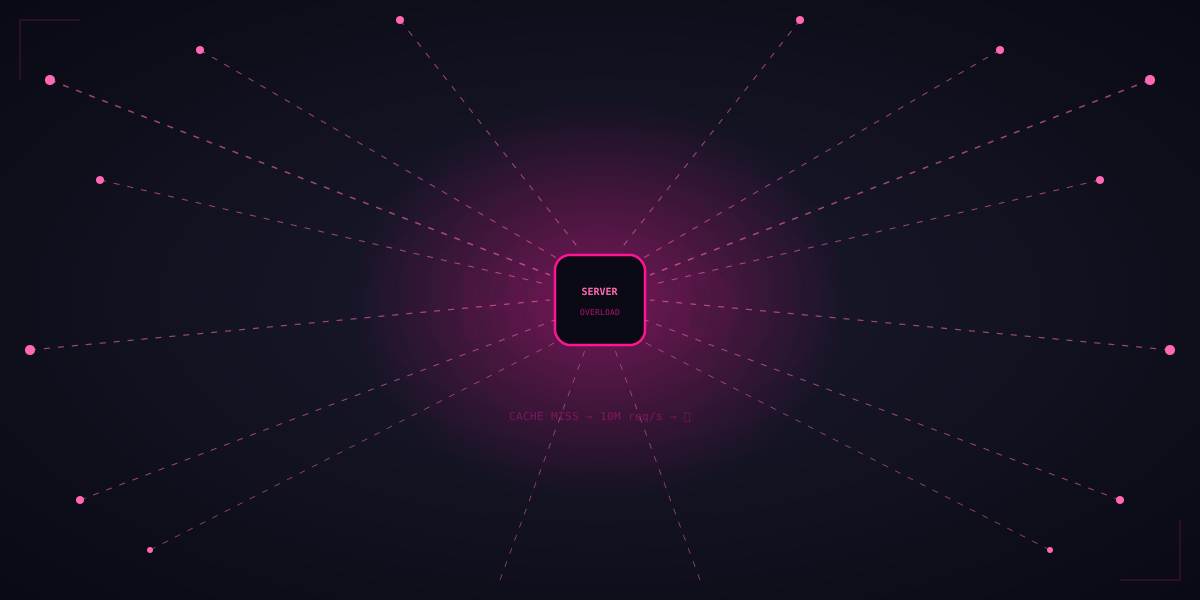
How Did Justin Bieber Break Instagram?
When Justin Bieber posted a photo, Instagram's servers melted. The thundering herd problem explained through celebrity posts, cache stampedes, and the solutions that actually work.
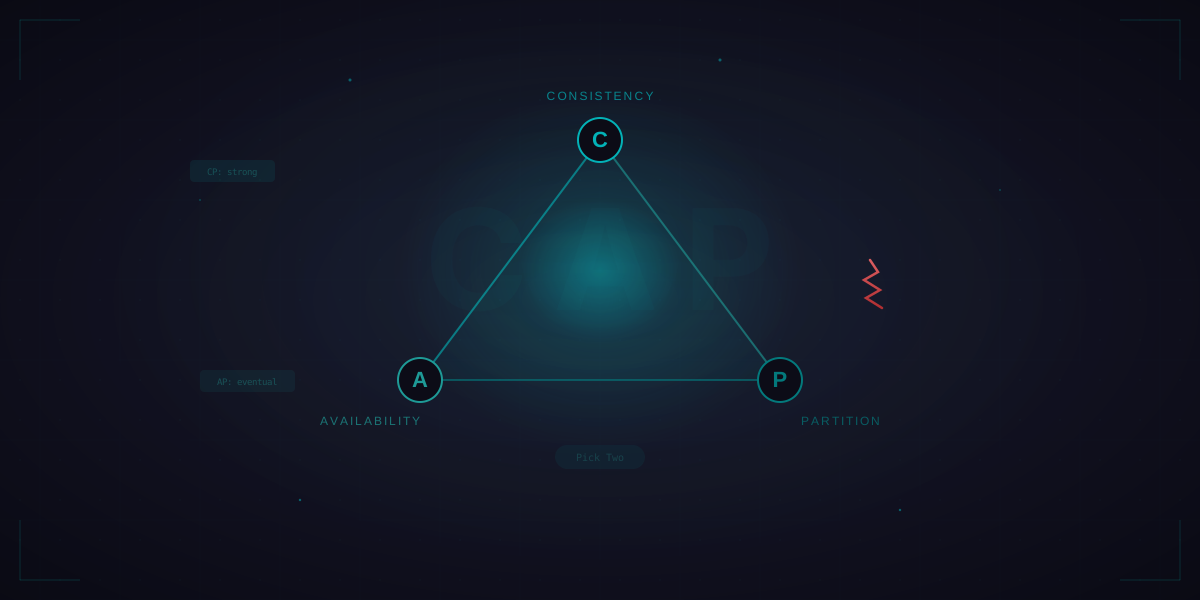
Why Can't Distributed Systems Have It All?
The CAP theorem says pick two: consistency, availability, partition tolerance. But what does that actually mean? Google Spanner, DynamoDB, and the real tradeoffs.
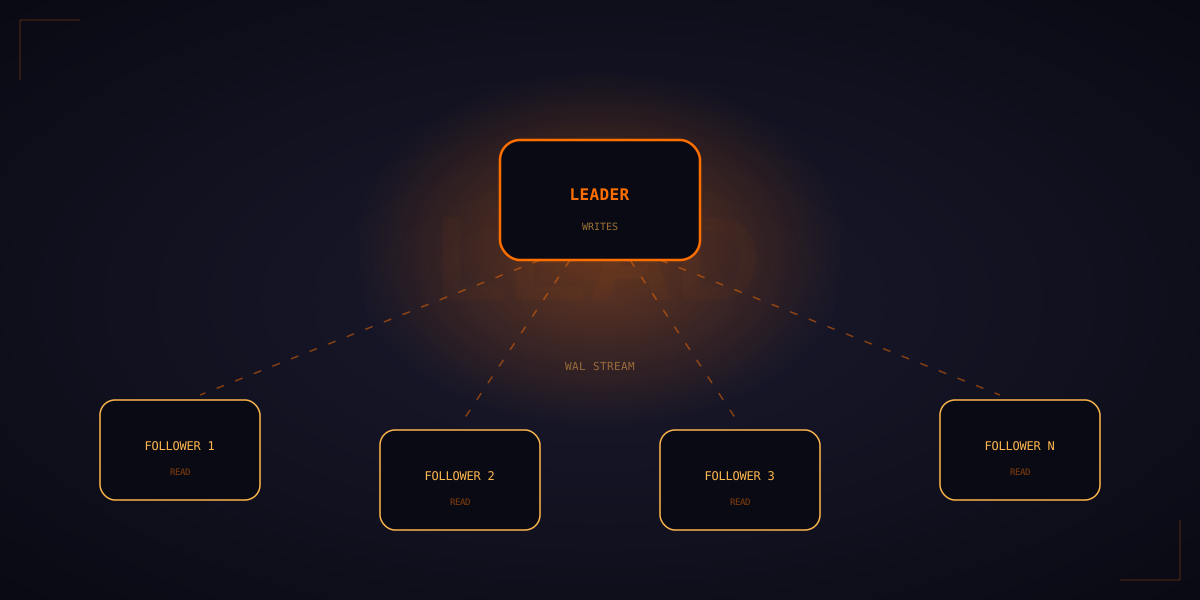
Why Does Every Database Have a Leader?
Leader-follower replication powers PostgreSQL, MySQL, MongoDB, and Redis. One node writes, the rest copy. Simple — until the leader dies.
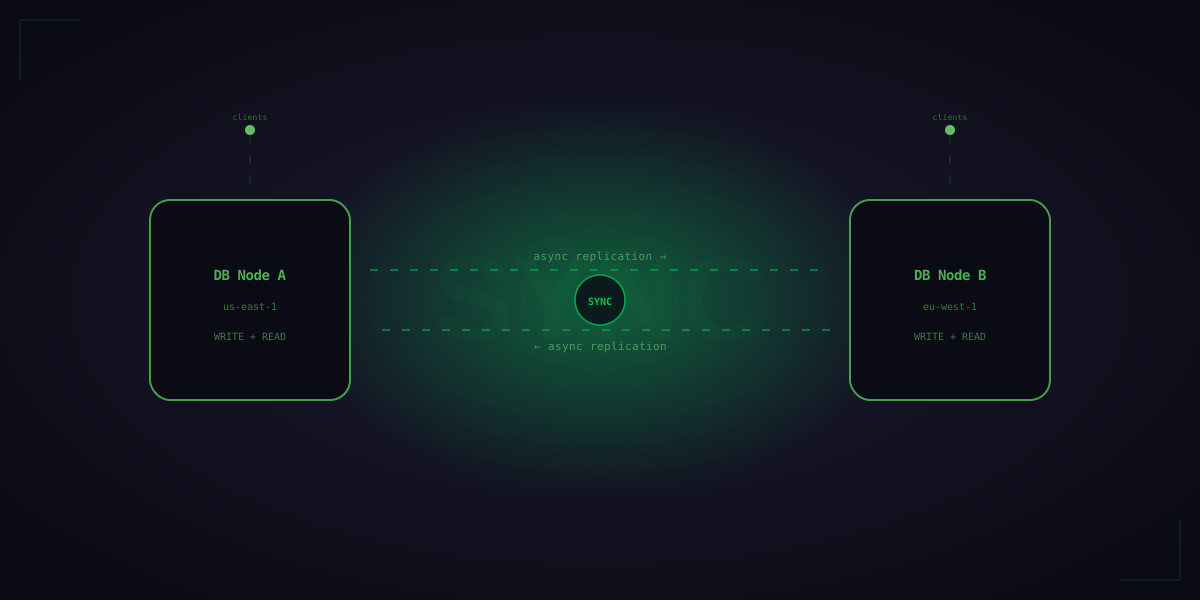
What Happens When Both Databases Accept Writes?
Active-active replication lets every node accept writes. More availability, more complexity, more conflicts. How CockroachDB and DynamoDB Global Tables handle it.
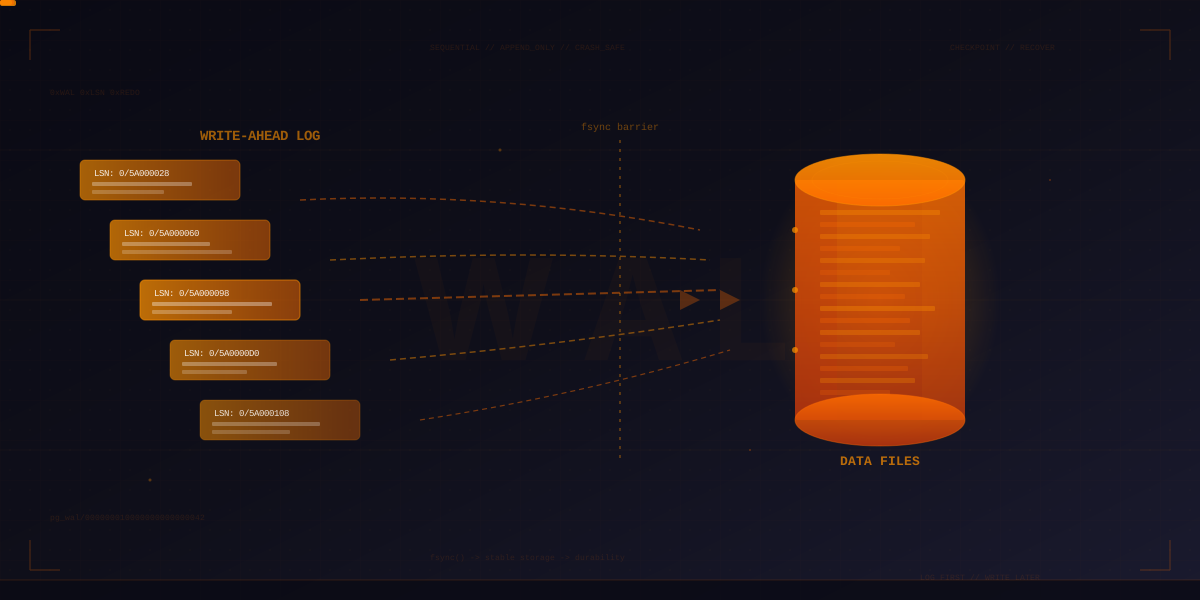
How Does a Database Survive a Crash?
Write-Ahead Logging is the reason your data survives power failures, kernel panics, and OOM kills. Every serious database uses it.
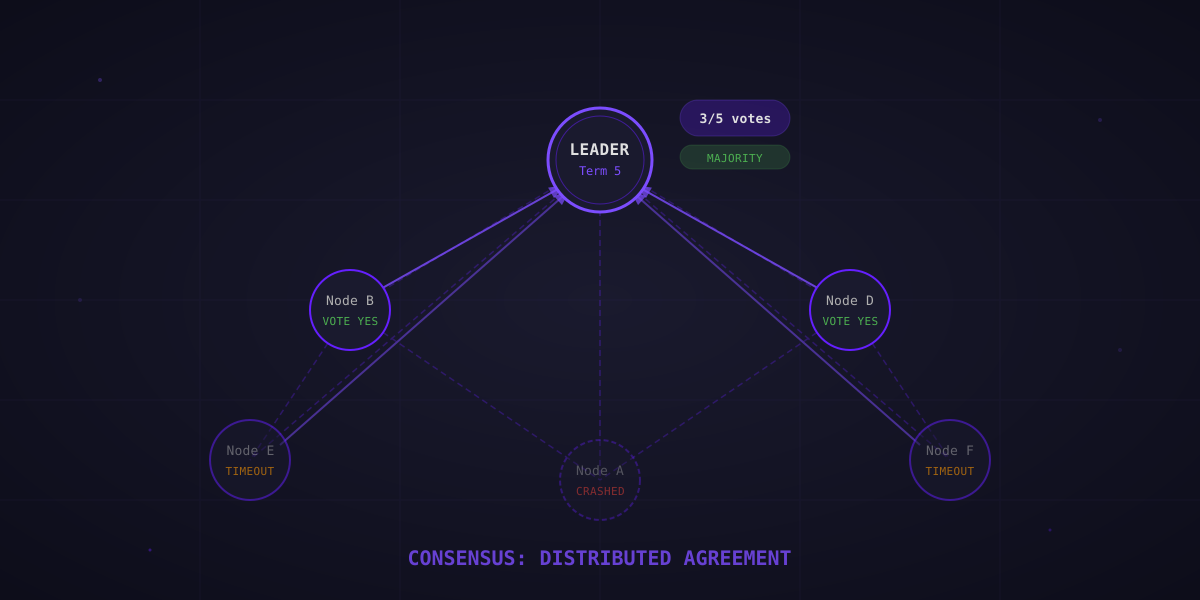
How Do Distributed Systems Agree on Anything?
Paxos, Raft, and the consensus problem. How etcd, ZooKeeper, and CockroachDB get multiple nodes to agree — even when some nodes fail.
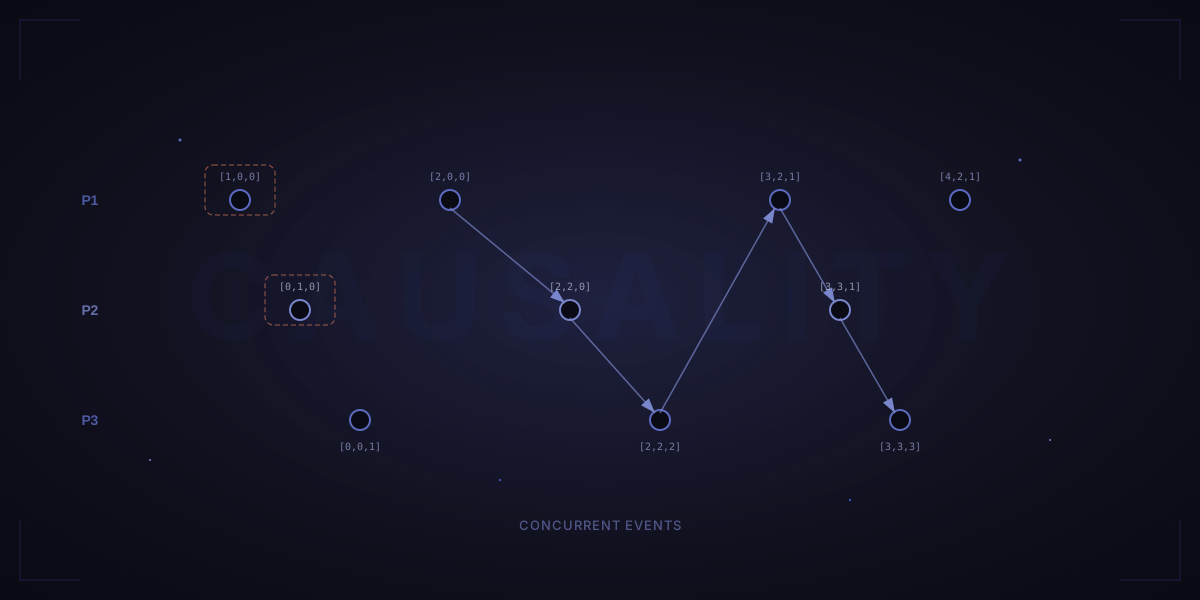
How Do You Track Causality Across Servers?
Wall clocks lie in distributed systems. Vector clocks track causal ordering without synchronized time. Used by DynamoDB, Riak, and conflict resolution systems.
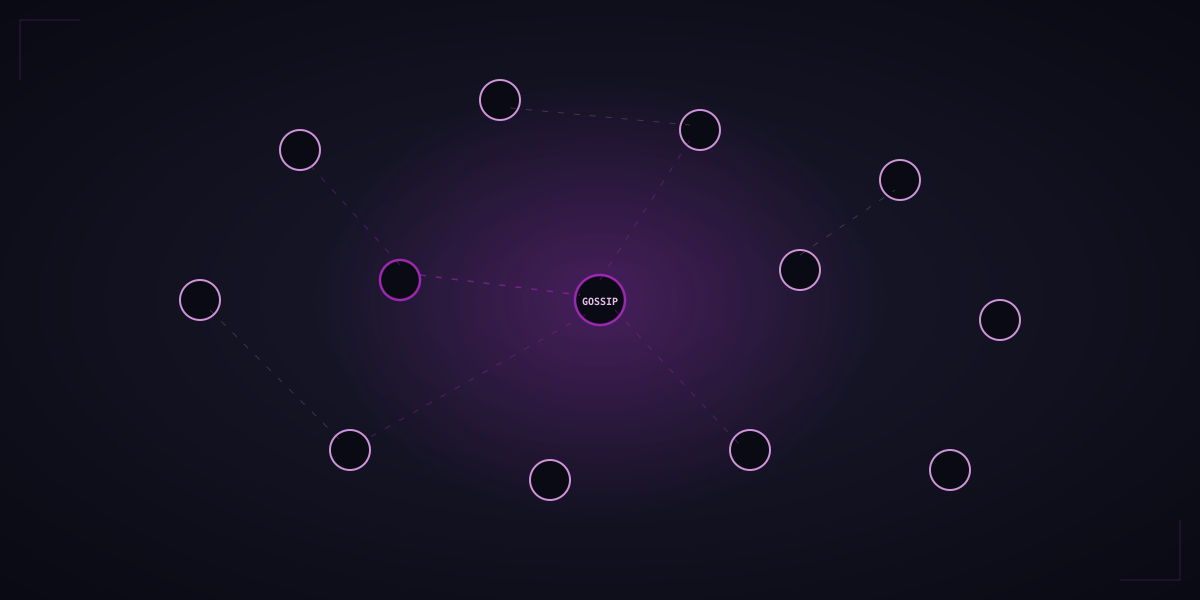
How Do 1,000 Servers Agree Without a Leader?
Gossip protocols spread information like rumors in a crowd. Cassandra, DynamoDB, and Consul use them to detect failures and share state.
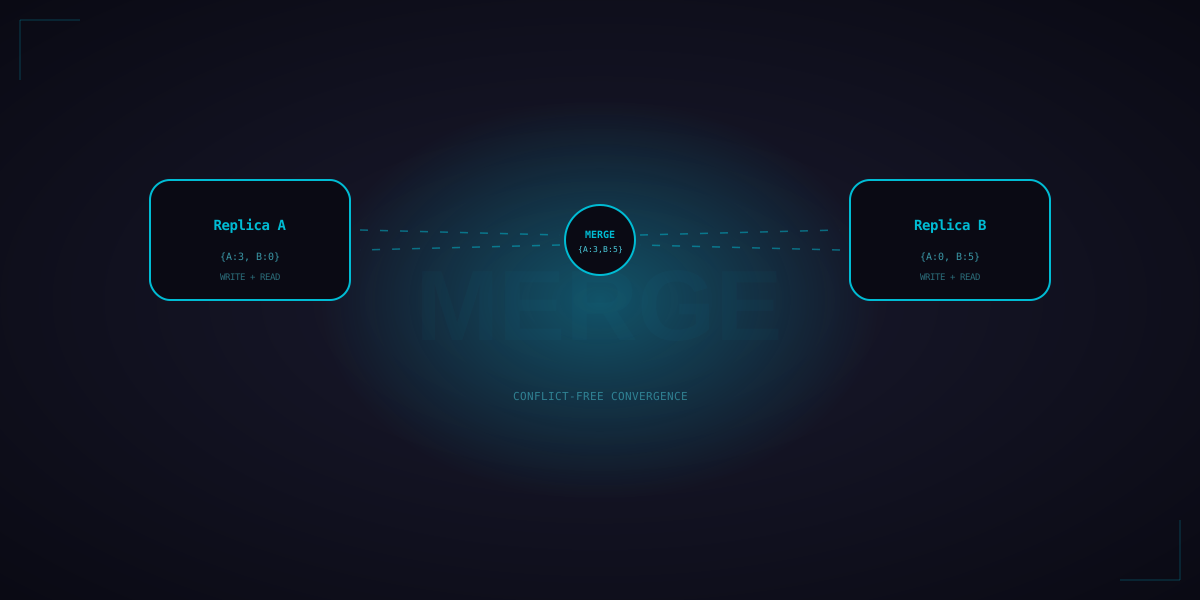
How Does Figma Let 50 People Edit at Once?
CRDTs let multiple users edit the same data without coordination. No locks, no conflicts, mathematically guaranteed convergence.
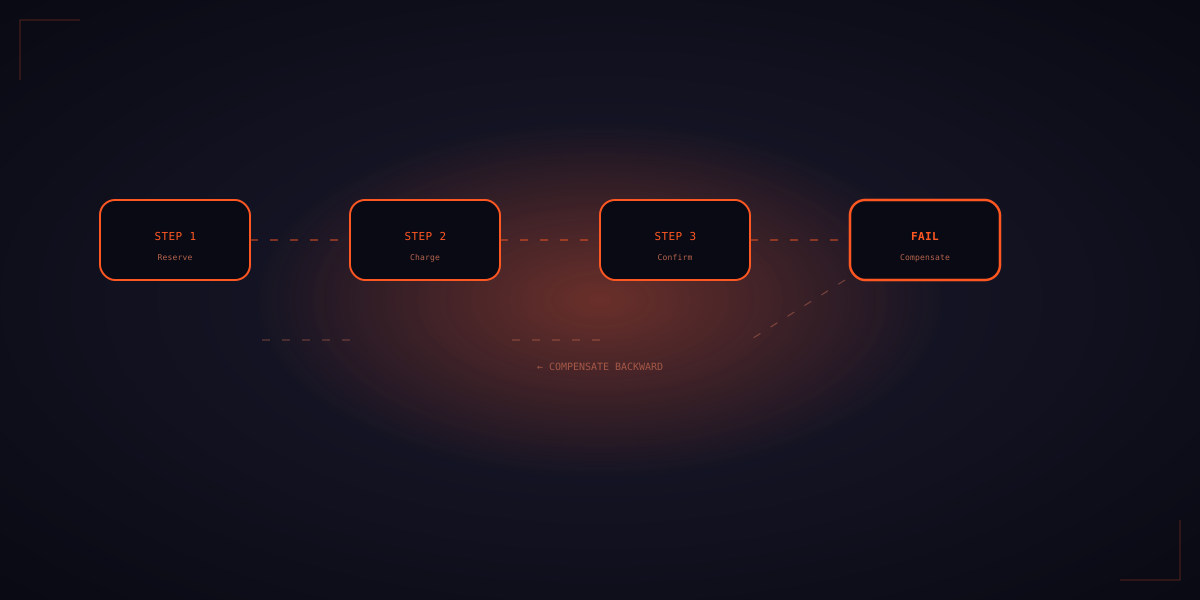
How Do Microservices Handle Transactions?
You can't use a database transaction across 5 services. The Saga pattern breaks distributed transactions into compensatable steps.
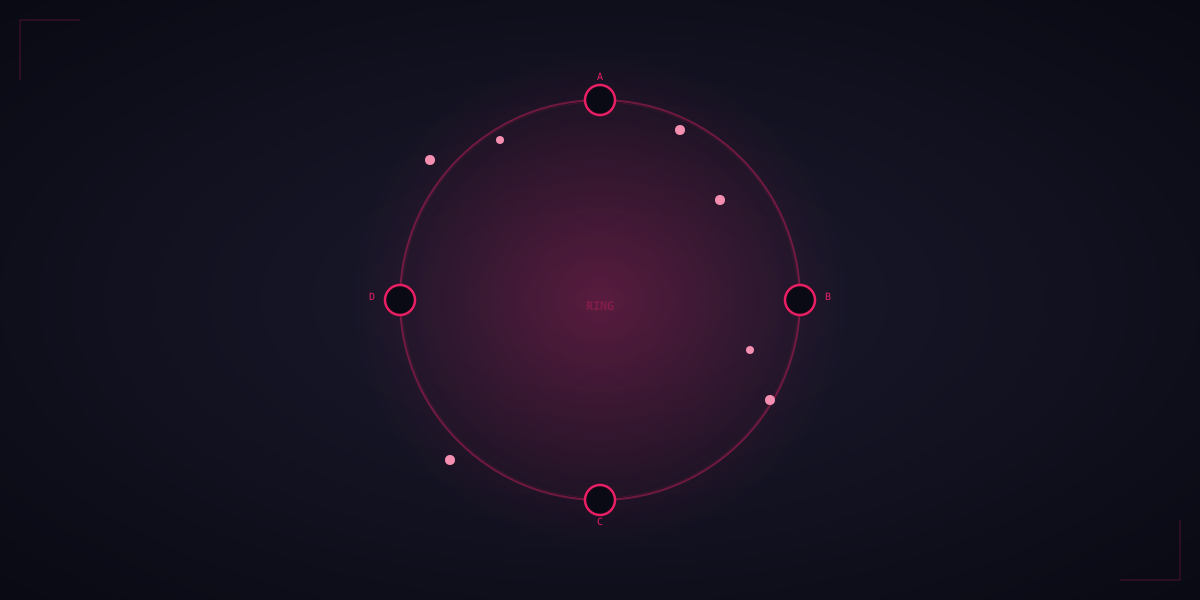
How Does DynamoDB Distribute Data Across Nodes?
Consistent hashing lets distributed systems add and remove nodes without reshuffling all the data. It powers DynamoDB, Cassandra, and Discord.
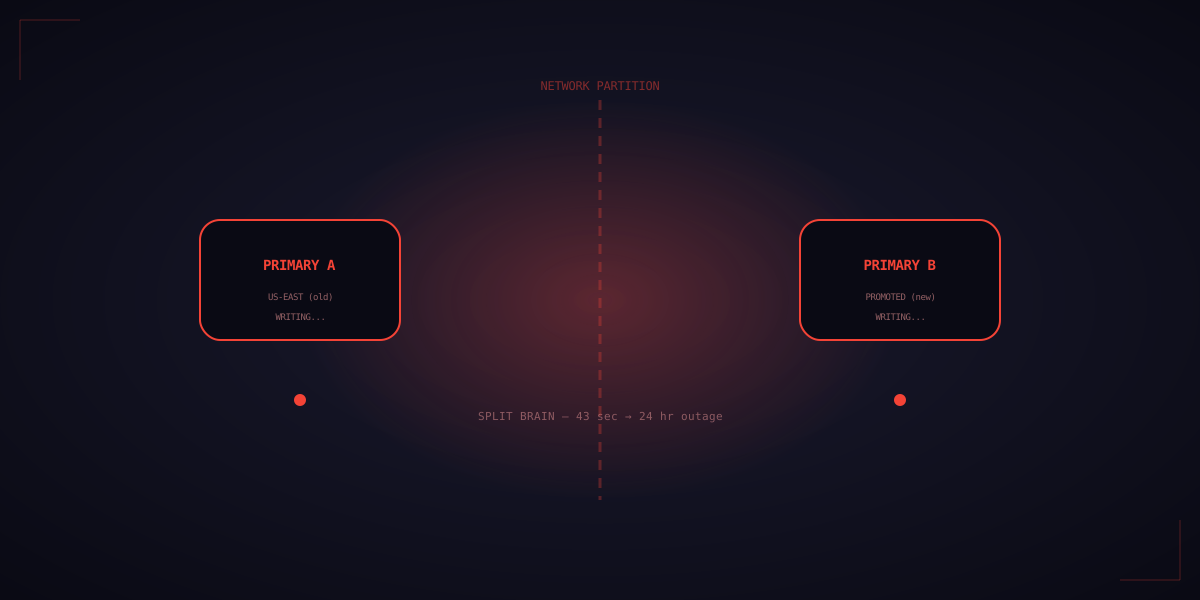
How Did 43 Seconds Break GitHub for 24 Hours?
A routine network maintenance caused a 43-second partition, MySQL failover triggered, and GitHub spent 24 hours recovering from inconsistent data.
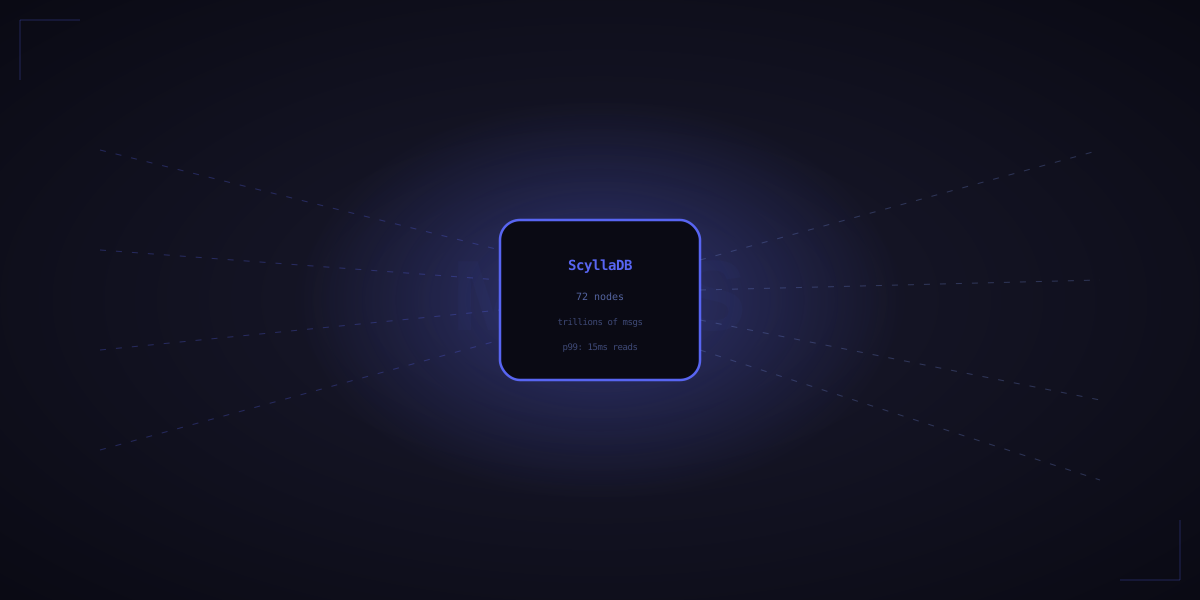
How Does Discord Store Trillions of Messages?
Discord migrated from MongoDB to Cassandra to ScyllaDB. Each migration solved one problem and created another.
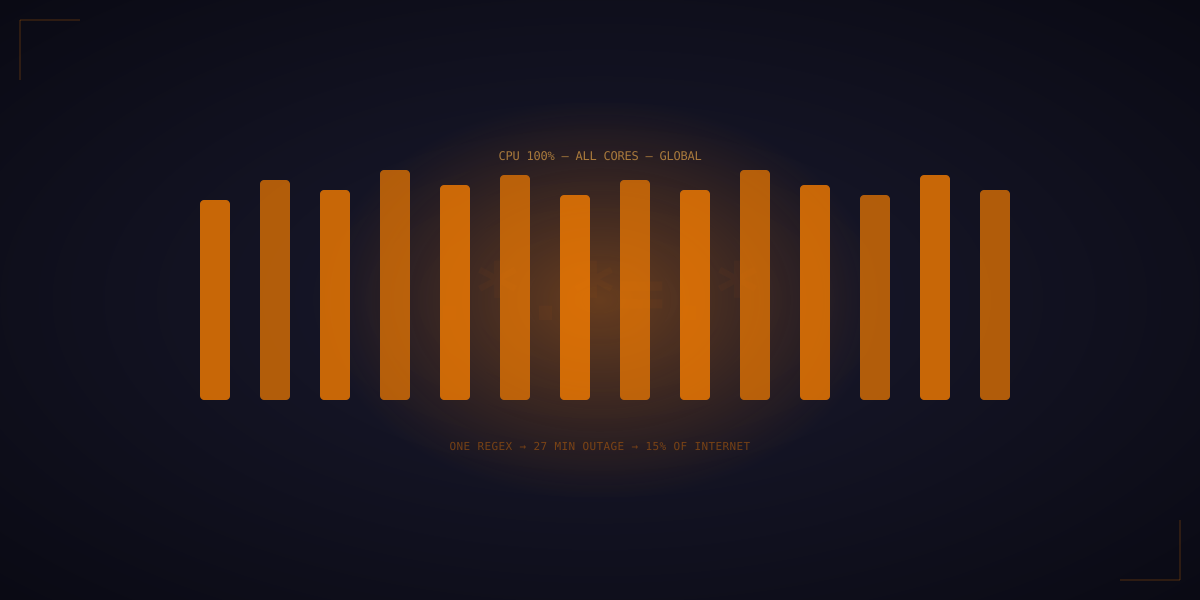
How Did a Single Regex Take Down 15% of the Internet?
A regular expression in Cloudflare's WAF caused every CPU core across their global network to spike to 100%. The entire CDN went offline for 27 minutes.
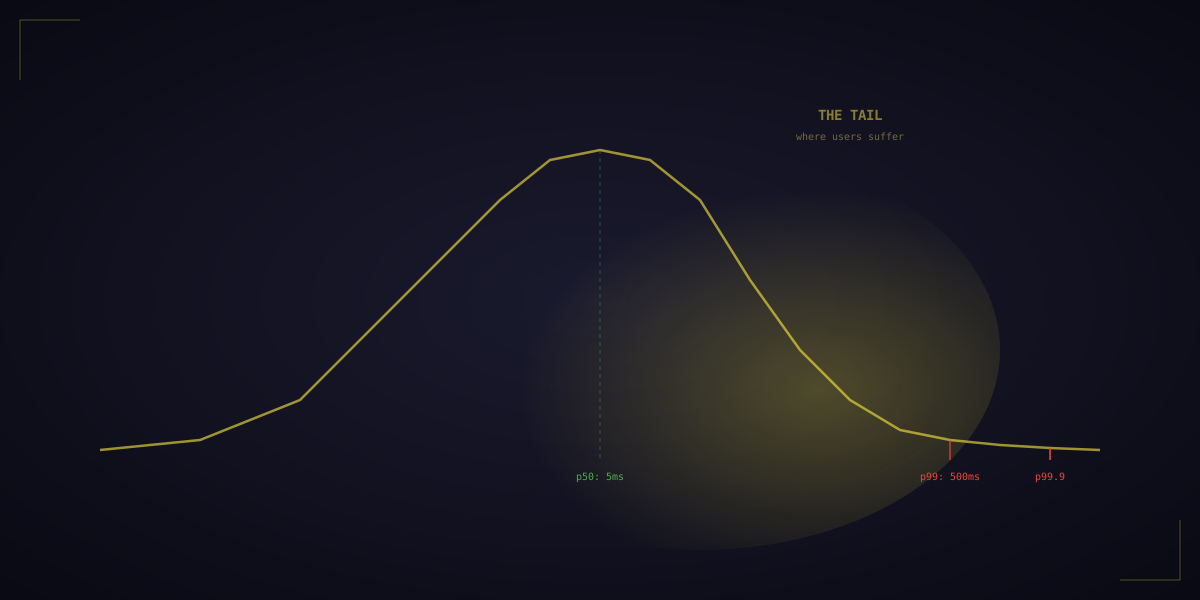
Why Does Your p99 Latency Ruin Everything?
Your average latency is 5ms. Your p99 is 500ms. At Google's scale, 1 in 100 requests being slow means every user hits a slow request.
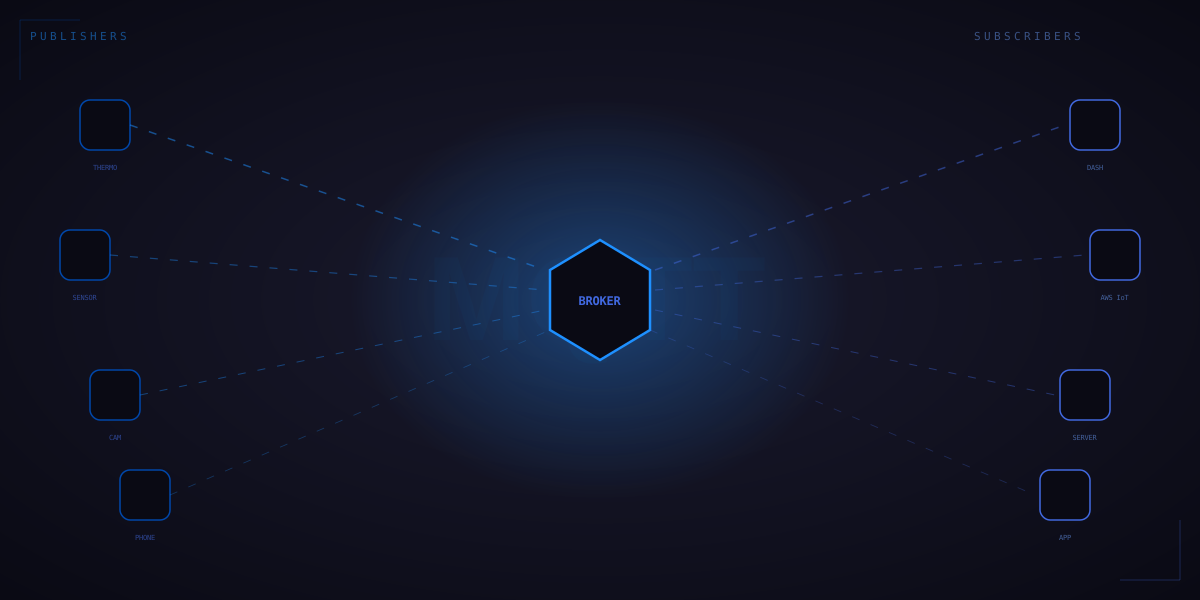
How Does MQTT Keep Billions of Devices Talking?
Your smart thermostat, Tesla, and AWS IoT all speak MQTT. How a protocol designed for oil pipelines in 1999 now powers the entire IoT world.
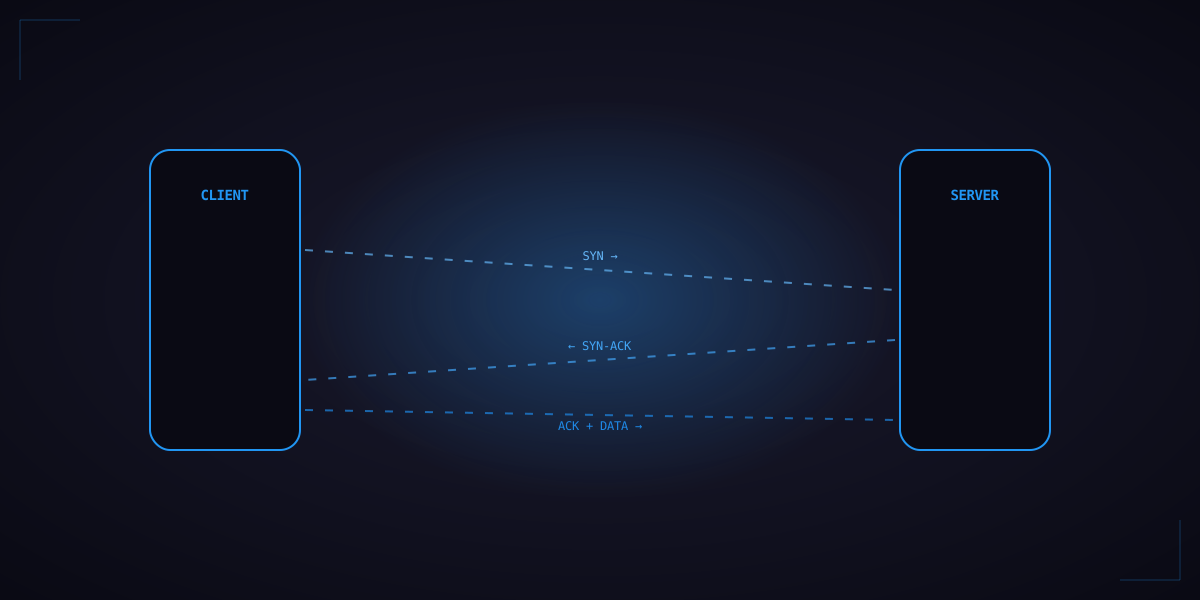
What Happens in the 1.5 Round Trips Before Your Data Flows?
Every TCP connection starts with a three-way handshake. SYN, SYN-ACK, ACK — three packets before a single byte of data.
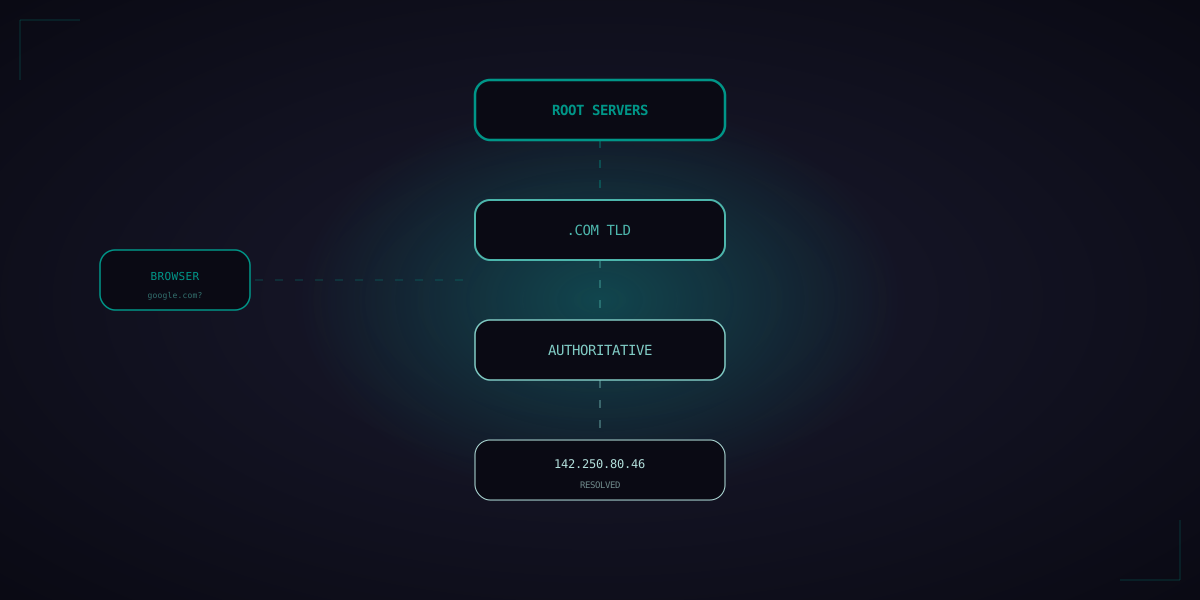
What Happens Between Typing a URL and the First Byte?
Your browser types google.com. Before any HTTP request, DNS resolves the name to an IP through root servers, TLD servers, and authoritative nameservers.
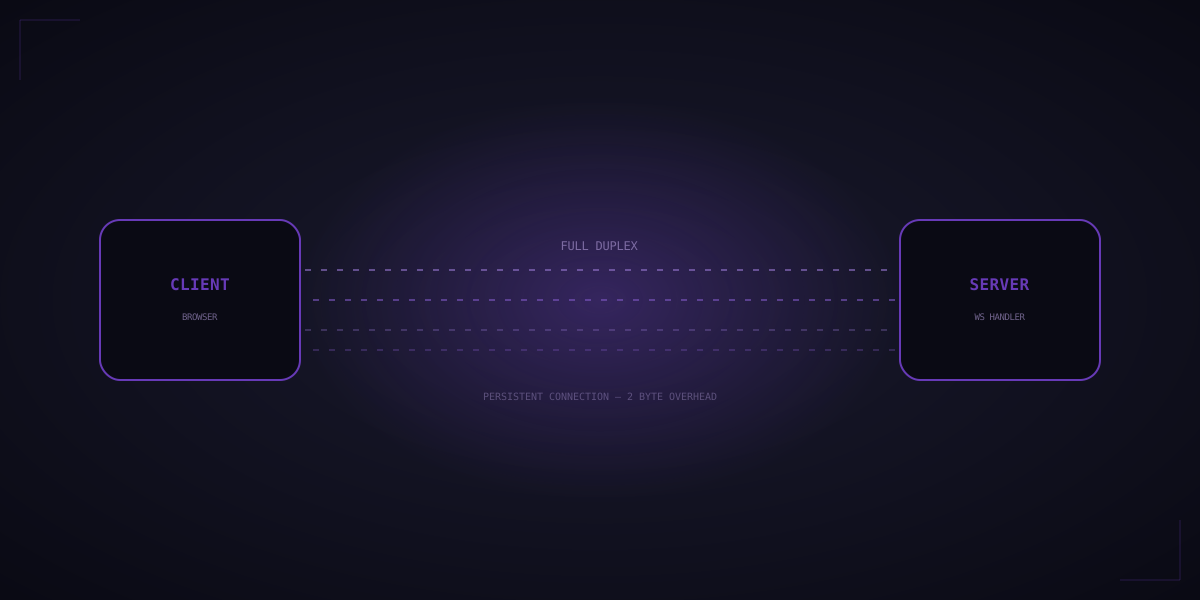
How Does Your Chat App Get Messages Instantly?
WebSockets upgrade an HTTP connection into a persistent, full-duplex channel. No polling — real bidirectional communication.
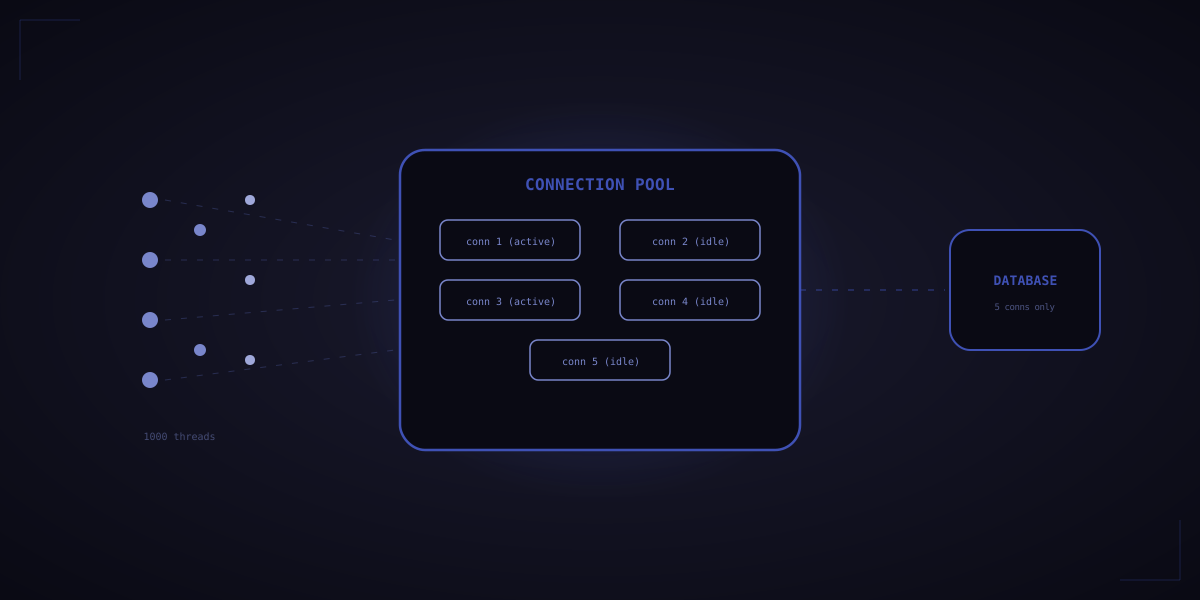
Why Does Opening a Database Connection Take 30ms?
TCP handshake, TLS negotiation, authentication — a single database connection costs 30-100ms. Connection pooling reuses connections to avoid this cost.